
One of the most important things I learned through research was how differently people needed to interact with the same information.
A senior executive might need high-level safety trends across multiple facilities for leadership reports. A site manager needed a closer view of a particular building or shift: what was happening, which incidents required attention, and where video evidence could help coach employees toward safer behavior.
I redesigned the experience around role-based defaults, so people arrived at a level of detail appropriate to their responsibilities. Dashboards remained configurable, with views organized by location or incident type, but sensible defaults meant users didn't have to wade through irrelevant options.
The sheer volume of detected incidents was another challenge. Most weren't severe, but there could be a surprising number. The design shifted the emphasis from monitoring individual cameras to understanding patterns and trends, while keeping significant incidents and the video behind them easy to investigate.

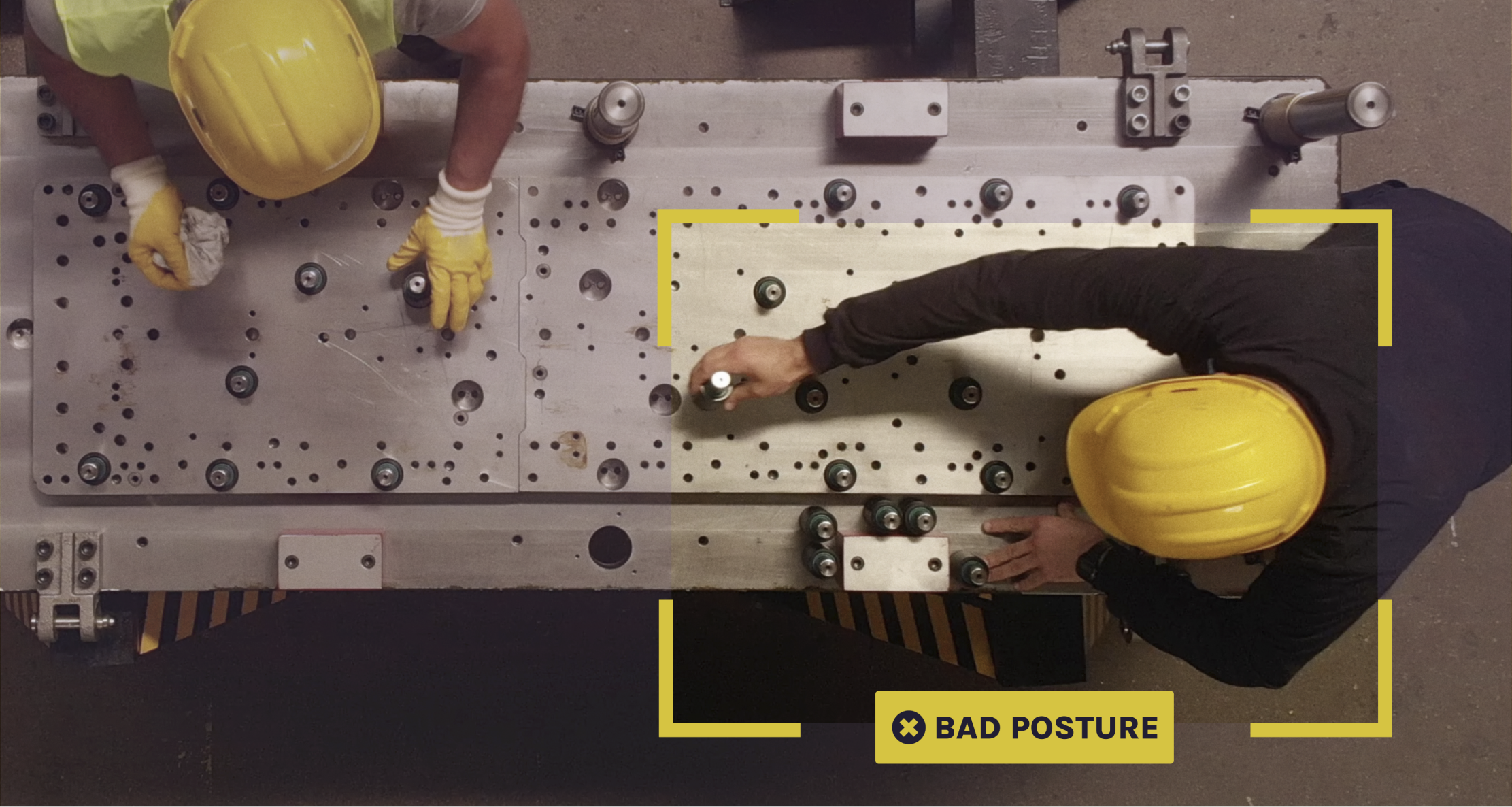
One interesting challenge of designing for a machine-learning system was that I couldn't know exactly what it would find. The types and volume of incidents varied by facility, industry, and the behavior of people working there.
The interface needed to accommodate that variability without becoming chaotic. It had to help users recognize patterns, identify what deserved attention, and move between the big picture and the events behind it.
It was an early opportunity to work through a question that has only become more relevant with AI: how do you design an experience around outputs that aren't entirely predictable while still giving people clarity and control?