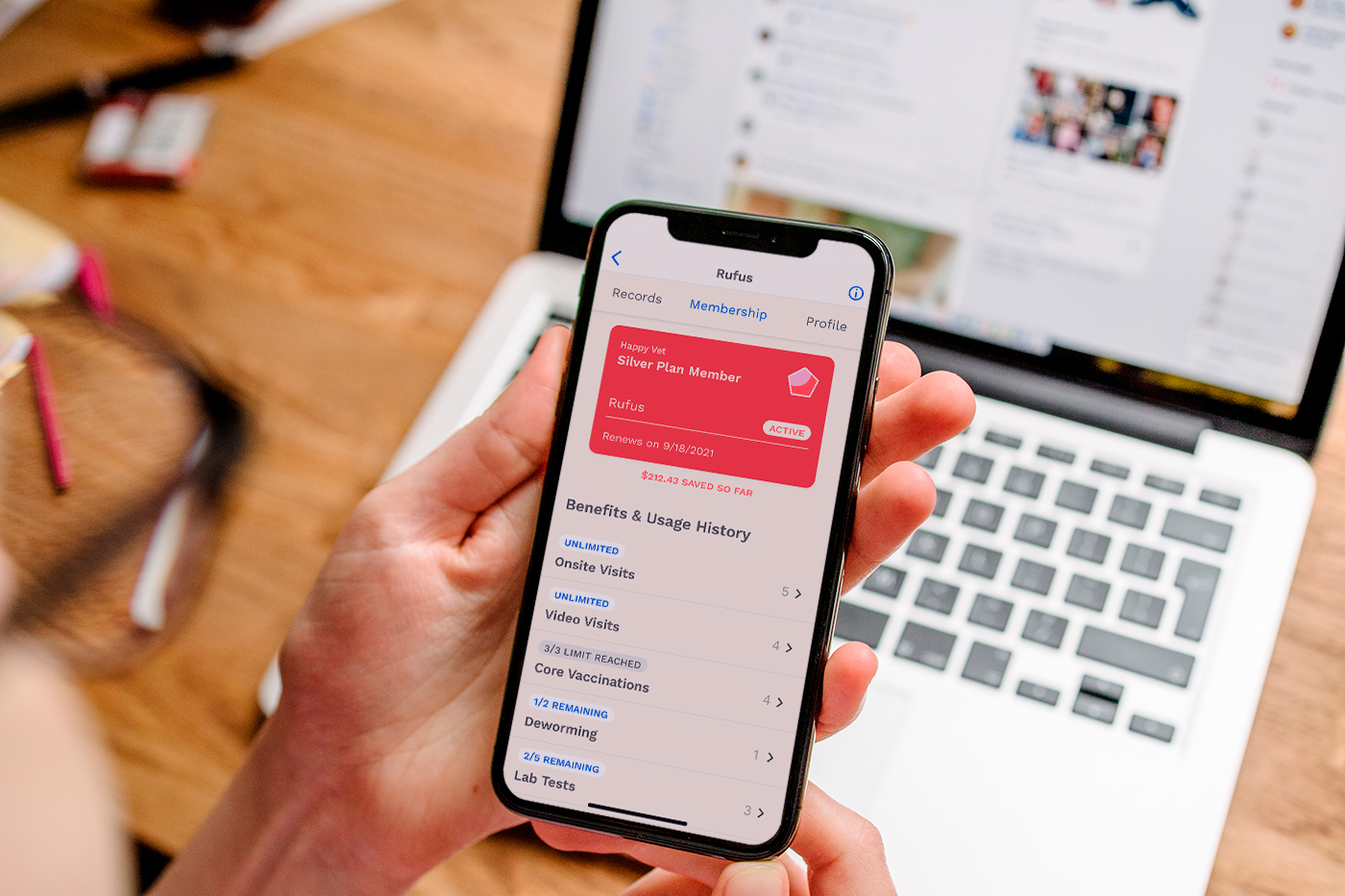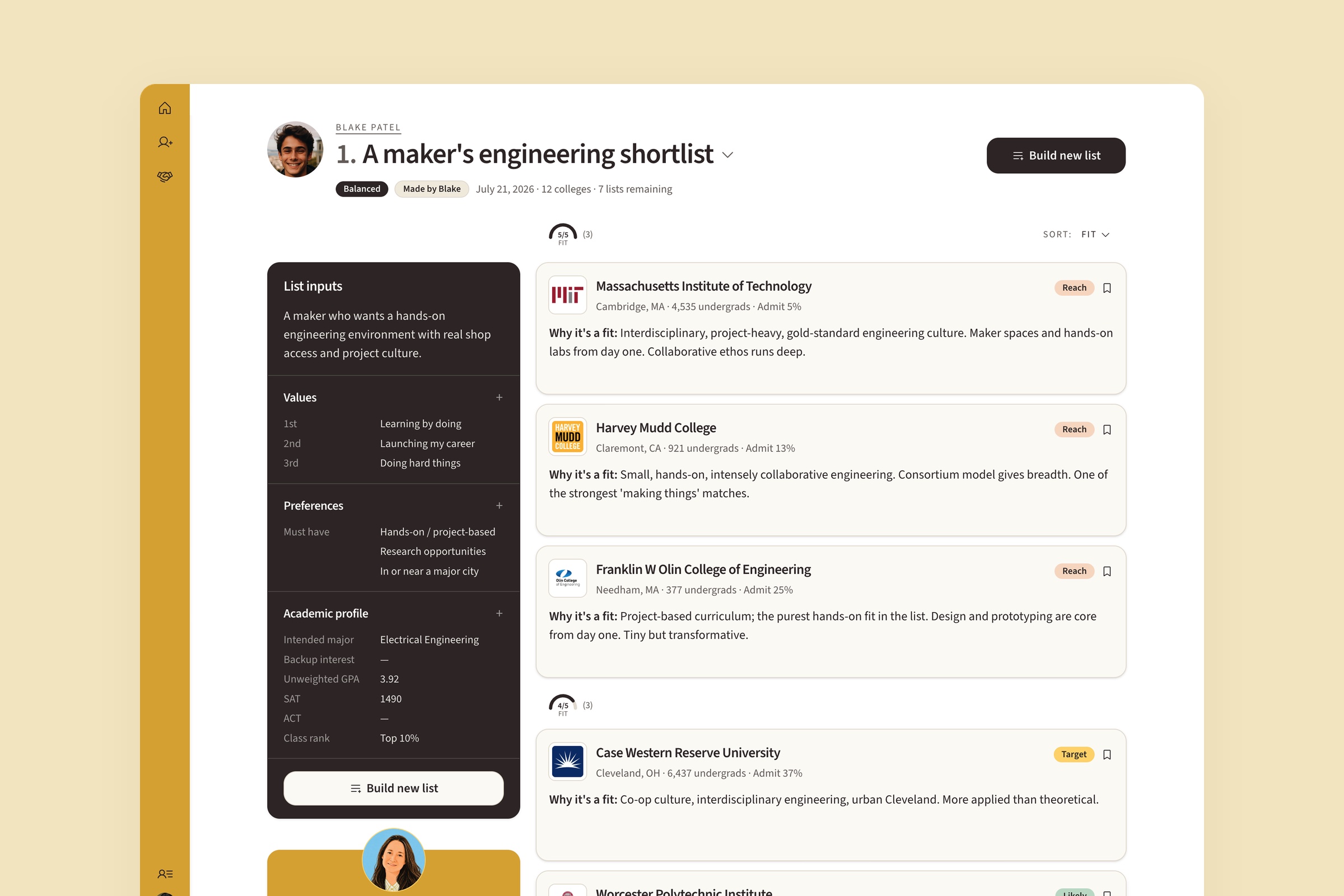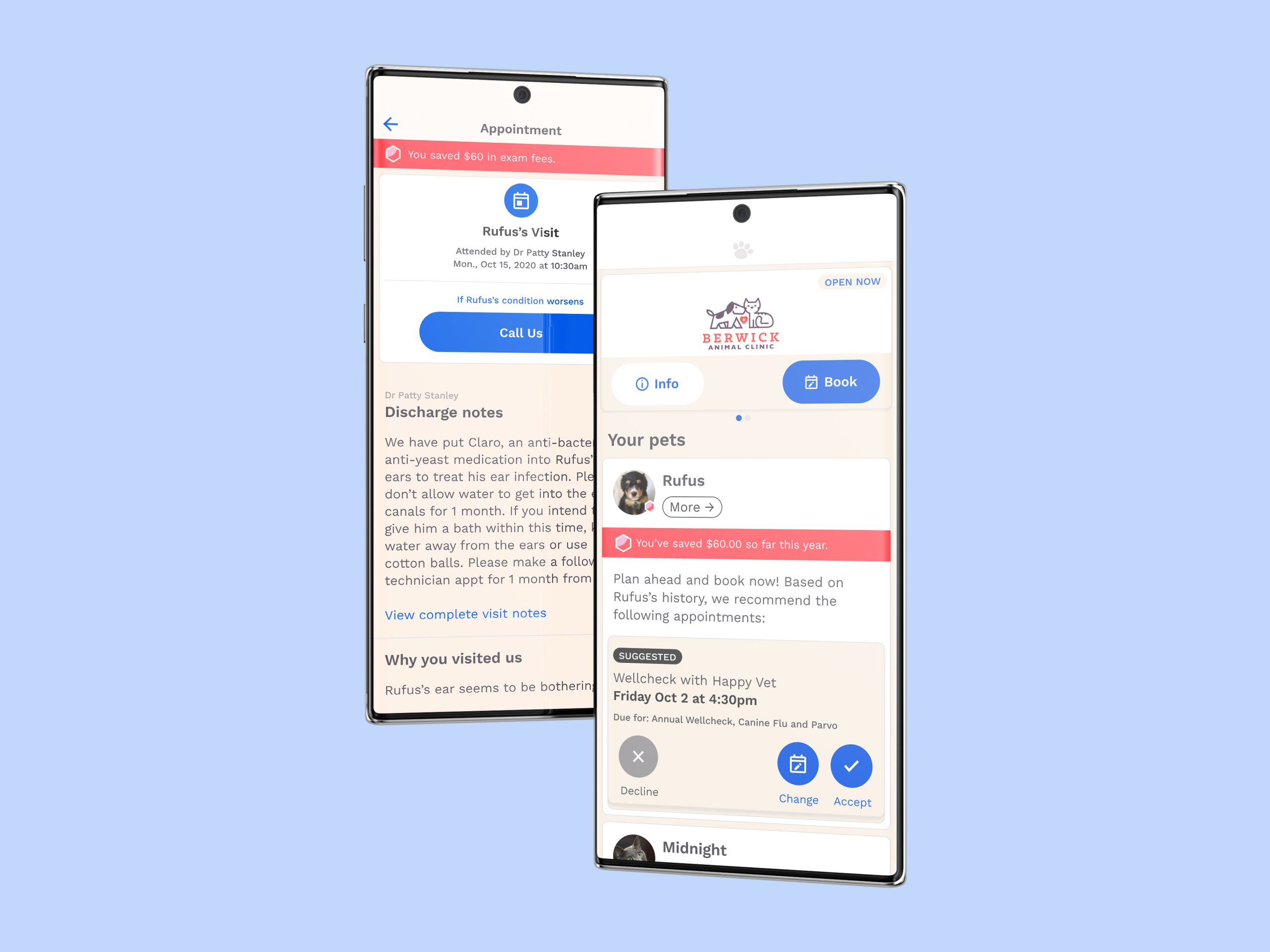
Like many startups, Petabyte was working toward an ambitious launch timeline. In a couple of months, I needed to establish a consumer-facing design language, work through evolving requirements, create a scalable, platform-agnostic information architecture, and design the core flows and screens.
The team had been moving quickly and was looking for a more predictable path from concept to a releasable product. My challenge was to introduce enough research, structure, and iteration to make good decisions without slowing the momentum the business needed.
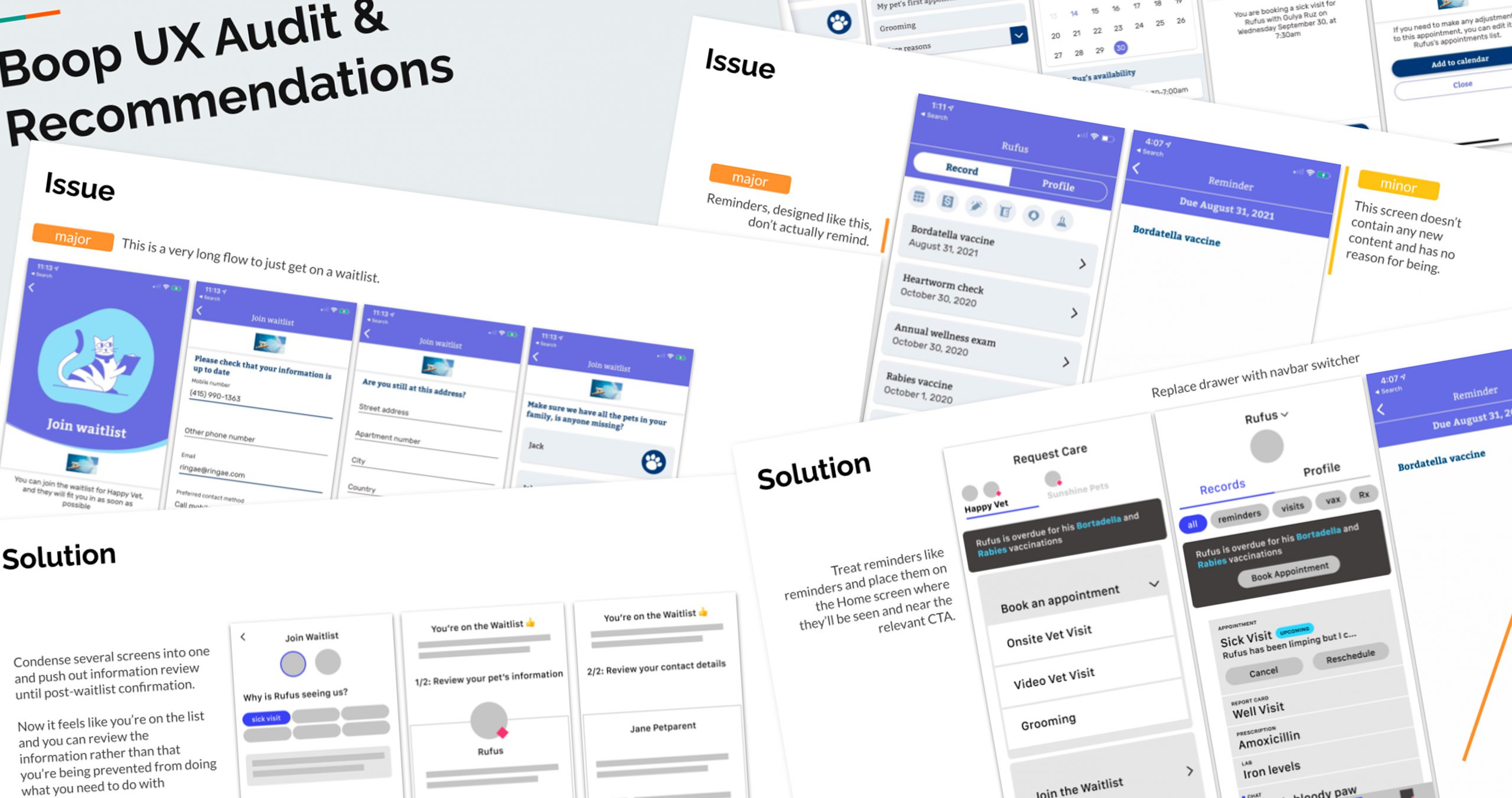
I'd often joined startups with engineering-led processes and limited in-house design experience, but had also worked with mature design teams that had time for a more extensive process. Both experiences informed my judgment about what Petabyte needed.
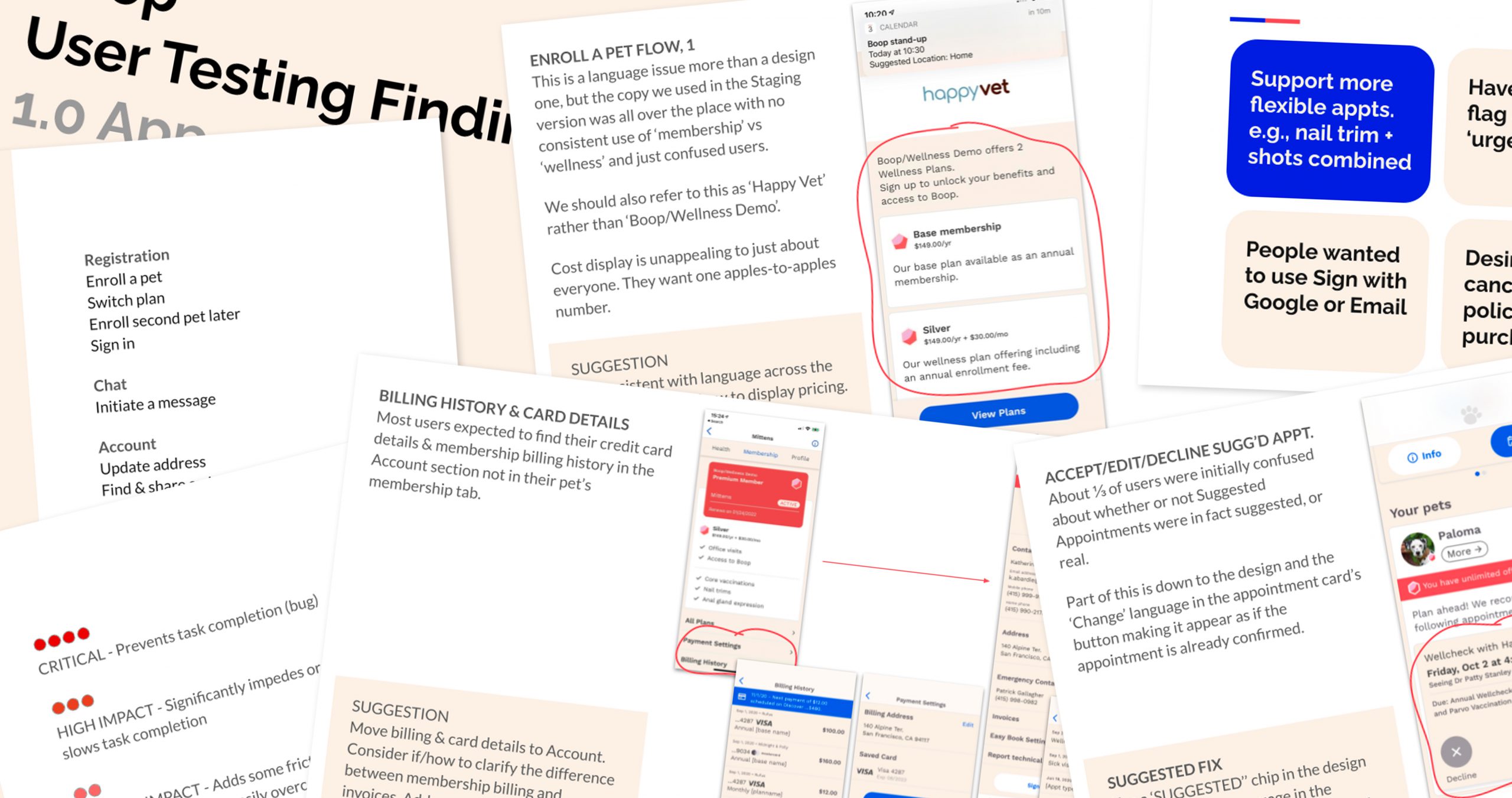
One deliberate tradeoff was moving usability testing to immediately after launch. That wasn't ideal for catching issues early, but it helped us meet the deadline and test with a working product and real data. We were then able to make improvements while the clinic rollout was still ramping up.
The experience reinforced the value of adapting the process to the constraints at hand: knowing what to simplify, what to reorder, and what not to compromise.